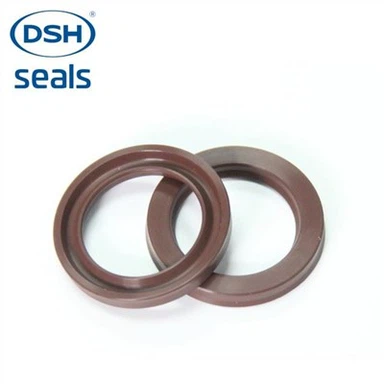
Acknowledge of oil seal
Jul 11, 2023
What is oil seal
An oil seal, also known as a shaft seal or rotary seal, is a mechanical component that is used to prevent the leakage of lubricating oil from within a machinery system. It is often made from a durable material like rubber or silicone, and is designed to fit snugly around the rotating shaft of a machine.
Oil seals play a crucial role in ensuring the proper functioning and longevity of machinery, as they help to keep the lubricating oil contained within the system, preventing it from leaking out and causing damage or mechanical breakdowns. By preventing oil leaks, oil seals help to maintain a consistent level of lubrication, which is vital to reducing friction and wear on moving parts.
The importance of oil seals cannot be understated, as they are critical to the safe and efficient operation of many different types of machinery. From automobiles and airplanes, to heavy industrial equipment and precision machine tools, oil seals are used in a wide range of applications.
Overall, oil seals are a simple yet highly effective solution to a common problem in machinery systems. They help to protect against leaks and ensure that lubricant stays where it belongs, leading to smoother operation, increased efficiency, and longer-lasting equipment.
How to install oil seal
Installing an oil seal is a simple process that anyone can accomplish with a little bit of guidance. These seals play a crucial role in ensuring that your engine runs smoothly and efficiently by preventing oil leaks. If you're looking to replace an old seal or are installing one for the first time, here are some steps to follow:
Step 1: Remove the old seal
If you're replacing an old seal, start by removing it from the engine. You can do this by using a seal puller or a screwdriver and gently prying it out. Be careful not to damage the shaft or housing while doing this.
Step 2: Clean the area
Once you've removed the old seal, clean the area around the shaft and housing. Use a rag or a cleaning agent to remove any dirt or grime.
Step 3: Install the new seal
Take the new seal and apply a thin layer of oil around the inner and outer edges. This will help the seal slide into place smoothly and prevent any damage to the lip. Insert the seal into the housing and use a seal driver or a socket of the same size as the seal to gently tap it into place.
Step 4: Check for leaks
Once you've installed the new seal, start the engine and check for any leaks. If you notice any leaks, stop the engine and check the seal installation. You may need to adjust the seal or replace it again if there are any issues.
Overall, installing an oil seal is a straightforward process that requires a bit of care and attention. By following these steps, you can ensure that your engine runs smoothly and efficiently without any oil leaks.
What can oil seal be used for?
An oil seal is a mechanical device designed to prevent liquid, such as oil, from leaking out of or entering into a machine or piece of equipment. These seals play an essential role in the proper functioning of machinery and equipment that rely on oil or other fluids for lubrication or cooling.
The job of an oil seal is to create a seal between two parts of a machine or equipment, where a shaft or other mechanical component penetrates the housing. It closely fits around the rotating shaft and forms a barrier that prevents any fluid or particulate matter from entering the machinery, or from leaking outwards. This ensures that the machine or equipment operates smoothly and efficiently, without encountering any issues caused by fluid leaks or contaminants.
Oil seals are commonly used in a wide range of industrial applications, from heavy machinery and construction equipment to automotive engines and hydraulic systems. They are available in many different sizes, shapes, and materials to suit various applications and environments.
In summary, the job of an oil seal is to protect machinery and equipment from leaks and contamination, ensuring their smooth and efficient operation. They are a vital component of many industrial systems and are essential for the proper functioning of countless machines and equipment that we rely on every day.